
Safety Sign Materials Explained
Choosing the right safety sign material is important for ensuring your signage remains clear, durable and suitable for its intended use. Selecting the most suitable material will depend on where the sign will be installed, how long it needs to last and whether it will be exposed to environmental factors such as weather or frequent handling.
At CSS Signs, we manufacture safety signs in a range of materials to suit different indoor and outdoor applications.
A Quick Guide to Sign Materials
The most suitable material depends on the location and intended lifespan of the sign:
| Material | Typical Durability | Best For |
|---|---|---|
| Corriboard | 12–18 months | Temporary and short-term signage |
| Aluminium Composite | 10+ years | Outdoor and long-term signage |
| PVC | 10+ years | Indoor safety signs |
| Self-Adhesive Vinyl | 3–5 years | Equipment, vehicles and smooth surfaces |
| Photoluminescent PVC | 5–10 years | Emergency and low-light applications |
| Pole-Mounted Aluminium Plate | 10+ years | External signs mounted on poles |
Our Material Range
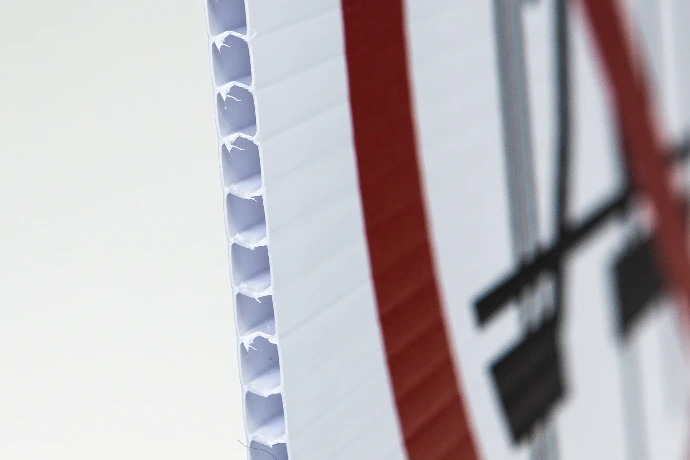
Corriboard: best for short-term or temporary signs
Corriboard is a lightweight, rigid material that is well suited to temporary safety signage. It is commonly used on construction sites, temporary work areas and other situations where signage may only be required for a limited period.
We use 5mm corriboard, with a typical durability of 12–18 months.
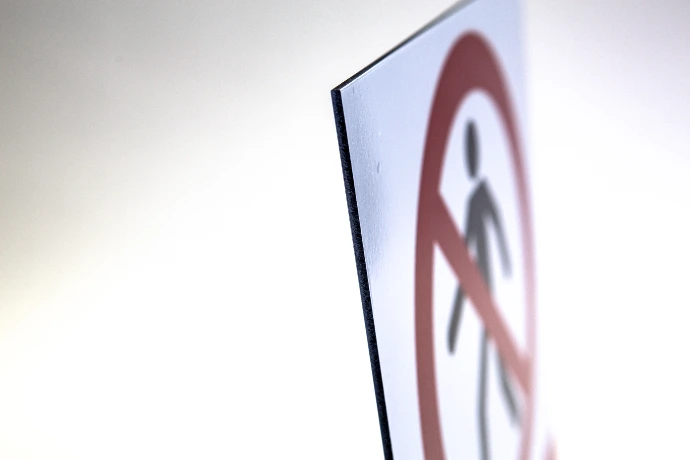
Aluminium Composite: best for long-term outdoor signs
Aluminium composite is a durable, rigid material suitable for both indoor and outdoor applications. It is particularly useful where a sign needs to remain in place for many years or where a larger, more robust sign is required.
With a typical durability of 10+ years, aluminium composite is a popular choice for permanent outdoor safety signs.

PVC: best for long-term indoor signs
PVC is a lightweight rigid material that is ideal for long-term indoor safety signage. It provides a clean, professional finish and is particularly suitable for smaller signs installed inside workplaces, factories, warehouses, offices and other buildings.
We use 1mm PVC with a typical durability of 10+ years.
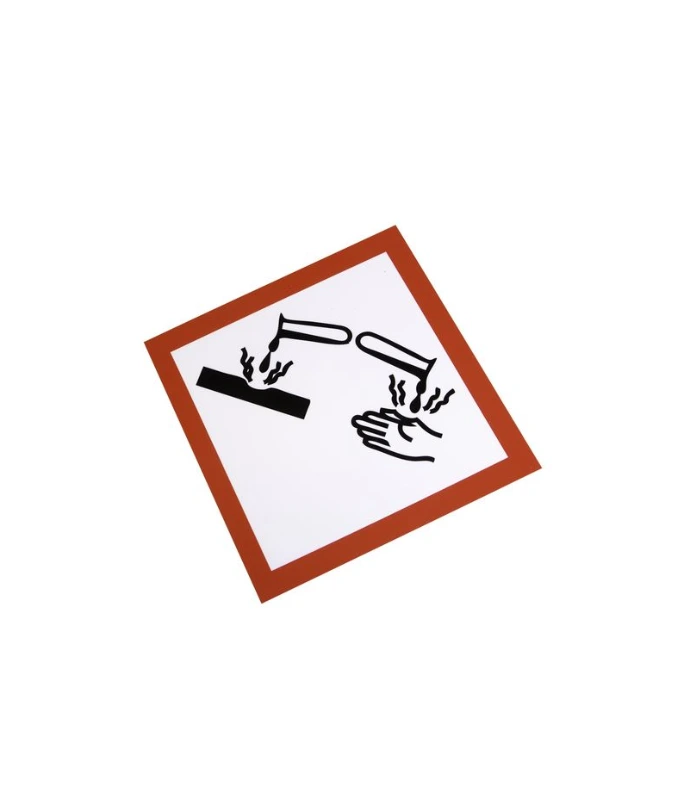
Self-Adhesive Vinyl: best for signs on equipment and machinery
Self-adhesive vinyl is ideal where a rigid sign is not practical. These signs can be applied directly to smooth surfaces such as machinery, equipment, vehicles and doors. They are a practical choice where installing a rigid sign is not possible.
Self-adhesive vinyl has a typical durability of 3–5 years, depending on the application and environment.
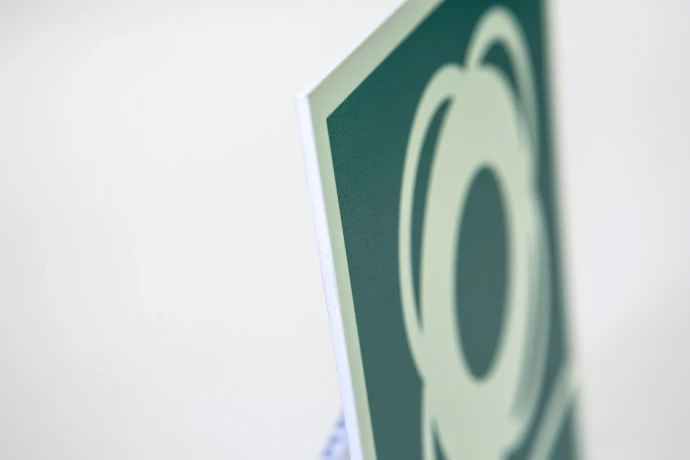
Photoluminescent PVC: best for emergency signs and low-light conditions
Photoluminescent PVC is designed for emergency and low-light applications. The material absorbs available light and continues to glow when lighting is reduced, ensuring emergency and exit signs remain visible during power failures or blackout conditions.
It is commonly used for emergency exit and escape route signage.
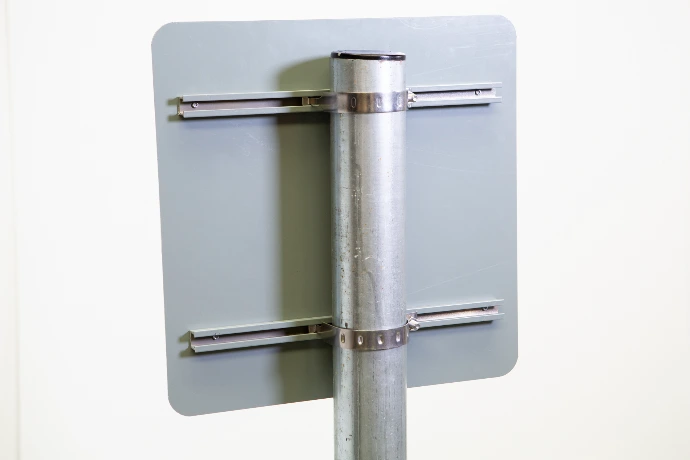
Pole-Mounted Aluminium: best for external pole-mounted signs
Pole-mounted aluminium plates are designed specifically for signs that need to be installed on poles or posts. The rigid aluminium plate provides a durable long-term solution for outdoor signage.
Pole-mounted signs are particularly useful for car parks, assembly points and other external locations where information needs to be clearly visible to drivers, pedestrians or visitors.
How to Choose the Right Sign Material
When choosing a material for your safety signs, consider four key factors: location, duration, exposure and installation method.
- Location: Where will the sign be installed?
- Indoor signs are generally protected from rain, wind and sunlight, giving you a wider choice of materials. Long-term outdoor signs may require a more durable material to withstand weather conditions.
- Durability: How long does the sign need to last?
- For temporary applications such as construction projects, corriboard can provide a practical and economical solution. For permanent installations, aluminium composite or PVC may be more appropriate depending on the location.
- Environment: What conditions will the sign be exposed to?
- Will the sign be exposed to weather, frequent cleaning, machinery or regular handling? A sign installed outdoors or in a busy industrial environment will require a more robust material than a sign installed inside an office or corridor.
- Installation: How will the sign be installed?
- Rigid signs can be mechanically fixed to suitable flat surfaces, while self-adhesive vinyl can be applied directly to suitable smooth or curved surfaces. Where a sign needs to be positioned away from a wall or building, a pole-mounted aluminium plate may be more suitable.
Choosing the correct material helps ensure your health and safety signage remains clear and effective throughout its intended lifespan.
Shop our Range of Safety Signs
CSS Signs manufactures a wide range of health and safety signs in Ireland, available in different materials and sizes to suit a wide variety of workplaces.
Our safety signs are manufactured to order at our factory in Rathcoole, Co. Dublin, using premium materials to ensure you get the most from your signage. All our safety signage conforms to the ISO 7010 Technical Standard for Graphical Symbols on Safety Signs.
For more information about our sign material range, visit our Sign Material Guide .
If you are still unsure which material is right for your application, get in touch with us and we can help you choose the most suitable option.